I am passionate about solving problems. UX design appears to me as a challenge to overcome users’ obstacles to improve and create a consistent product experience. My aim is to make the experience intuitive by reducing cognitive load and making it clear and simple.
Understanding the issue based on deep research always serves as my starting point. I actively listen to the business to define the goal, learn about users to identify the touchpoints and pain points, and I look at the context to examine the broad picture.
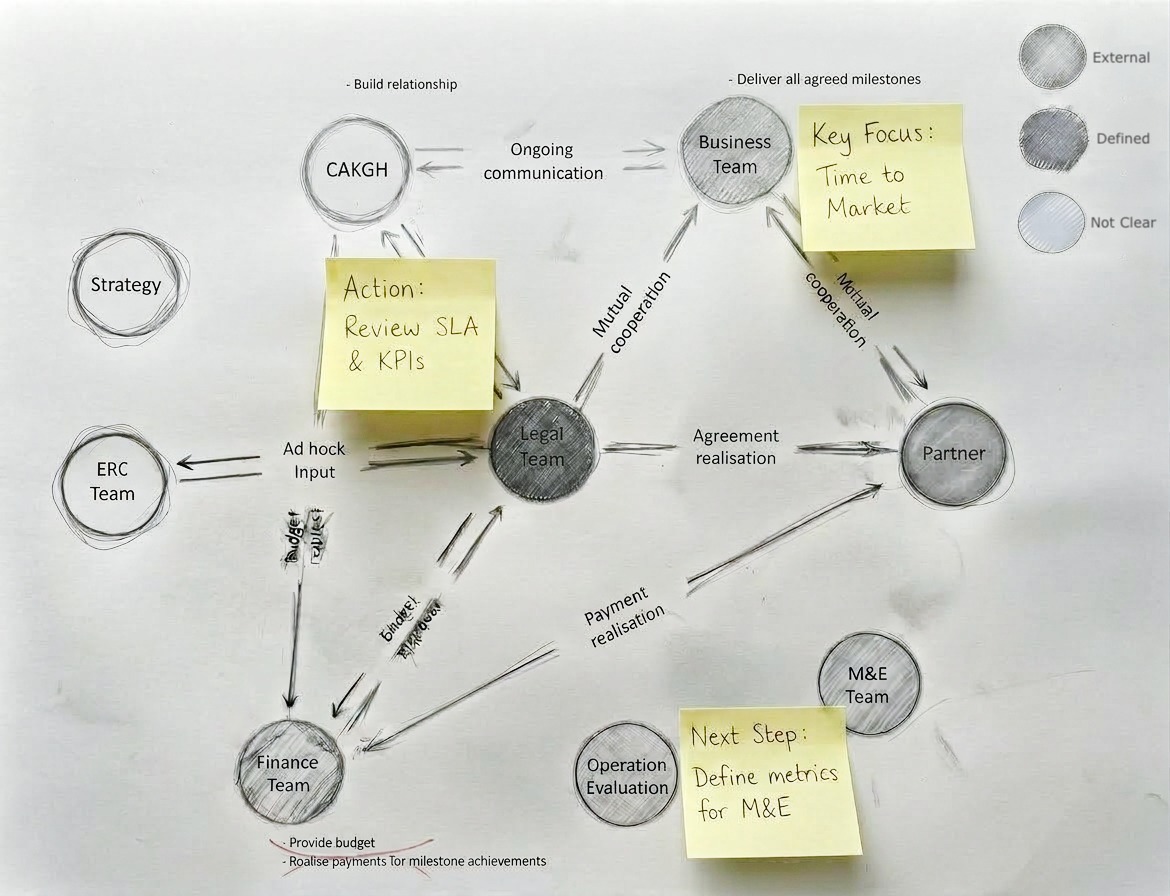
I apply my own methodology. I stage separate dots and connect them to reveal the hidden tensions. This way, I can find: issues which are missed, redundant or misused actions, unnecessary complications, and broken connections. It allows me to spot the problems easily as well as prioritise my design decisions to improve the processes, heal the interactions and introduce the relevant tools.
As I am inspired by Aristotle’s four causes - Aim, Cause, Matter, and Form - my design outcome is holistic and impactful. I look beyond the surface and therefore can understand what a product is trying to achieve, why it exists, what it is made of, and how it takes shape. I focus on a system rather than a collection of screens.
Bringing value to the company and alignment among all involved stakeholders are, for me, part of the project success. I am looking forward to diving into your business universe to learn and scale it.
Connecting the Dots
UX Principles, Not One Process
Every problem is different, so I don't follow one rigid UX process, but I do have a consistent way of thinking. I start by understanding the business context, goals, and KPIs, as well as the users and their actual workflow. I identify what users need to achieve, what information they need, where they depend on other people or systems, and where the current process breaks down.
Connecting the dots: illustration of a stakeholder map from the Novartis project — Strategic Product Roadmap.
I bring those findings together, validate my understanding with stakeholders and users, and prioritise the problems based on impact and effort. I usually begin with low-fidelity solutions: at that stage I'm testing workflow and usability rather than visual design. I iterate with users, work with developers and data specialists to check feasibility, and only then move towards high-fidelity designs and implementation.
I continue testing during development. I also design the UI as a system, so I can reuse components and patterns instead of solving every screen independently. Finally, I measure the results against business metrics to demonstrate the value of my work.
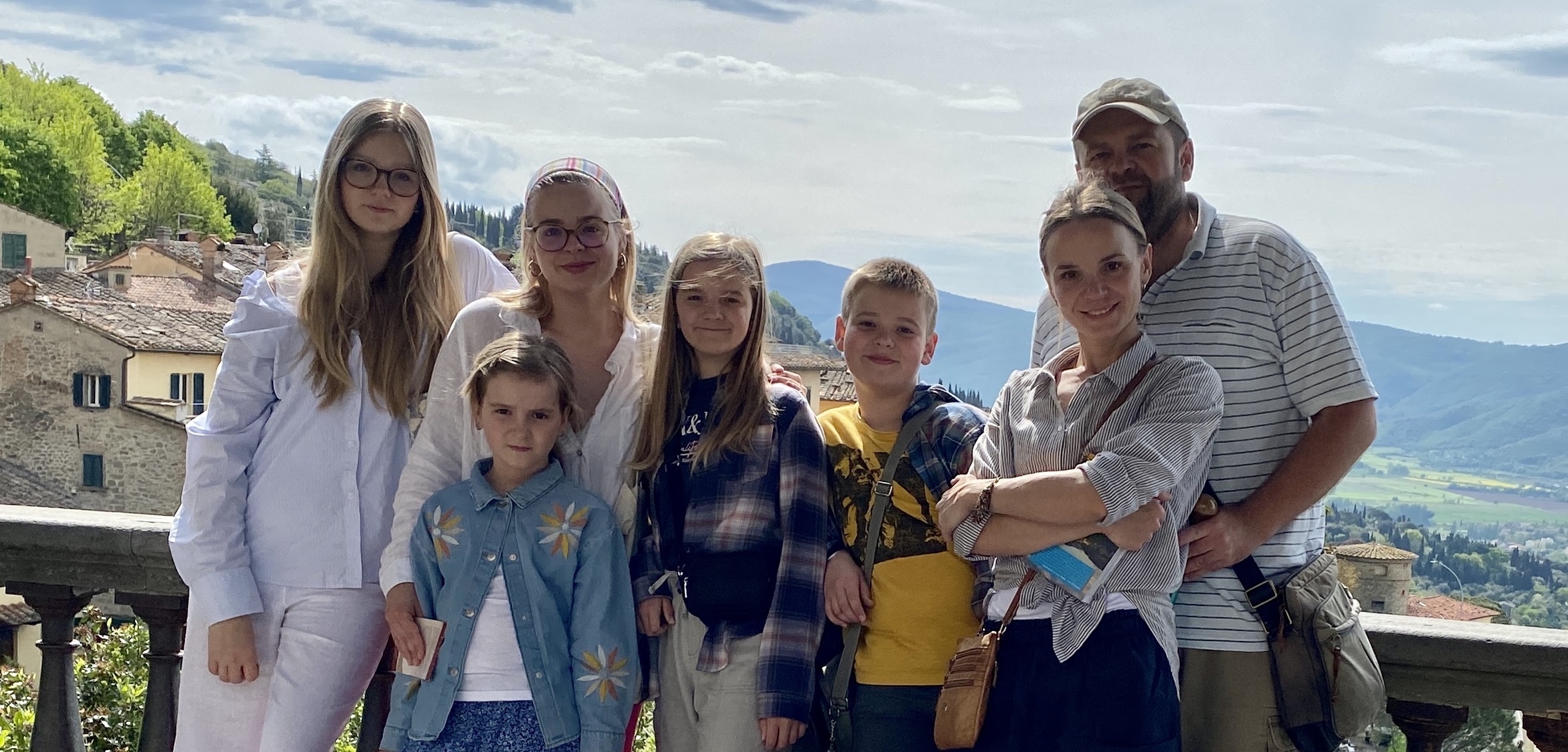
There is much more to me than solving problems. Above all, I am devoted to my family: my wife and our five kids, our team. Together we enjoy travelling, walking and hiking. As the kids grow and evolve, our conversations become more and more fascinating. I love discovering new perspectives by seeing the world through their eyes and minds.
My wife and I also play music together. She plays piano and I support her on bass guitar. When I need to escape into a quiet world, I read. When I want to express myself creatively, I paint or write.